


Place of Publication
Phytokeys 270: 101 (2026)
Type citation
Chile, Región del General Libertador Bernardo O’Higgins: Provincia de Colchagua, Comuna de San Fernando, estero Antivero, sector Los Alpes, 713 m a.s.l., 26 August 2025, N. García, P. Zuñiga, L. Santilli, M.A. González, M.M. Espinoza & N. Cáceres 7696 (holotype: EIF 18604; isotypes: CONC, SGO).
Common names
- Estrella de los Andes (García et al (2026))
References
-
García et al (2026)
García, N. , Zúñiga-Acevedo, P. , González, M.A. , Espinoza, M.M. , Soto, C. and Cisternas-Gallardo, B.J. 2026. Taxonomic novelties and phylogenetic insights on Gilliesieae (Allioideae, Amaryllidaceae) from Chile. PhytoKeys 270: 93–117.
Regions
Del General Libertador Bernardo O'Higgins
Habitat
Mediterranean and Mountain matorral & sclerophyllous forest
Distribution and habitat
Miersia subandina is found in the foothills of the Andes in the Libertador General Bernardo O’Higgins Region where it has only been recorded in two localities of the San Fernando and Rengo municipalities, close to the Antivero and Claro rivers. Here it grows within shady, south-oriented slopes covered by sclerophyllous forest, in rocky outcrops between 650 and 750 m a.s.l. The main woody species in both locations are Peumus boldus, Cryptocarya alba and Sophora macrocarpa (García et al (2026).
Conservation status
- Endangered B2ab(iii) (García et al (2026))
Habit
Bulbous perennial. Flowering between August and September. Fruits have been found during September.
Key characteristics
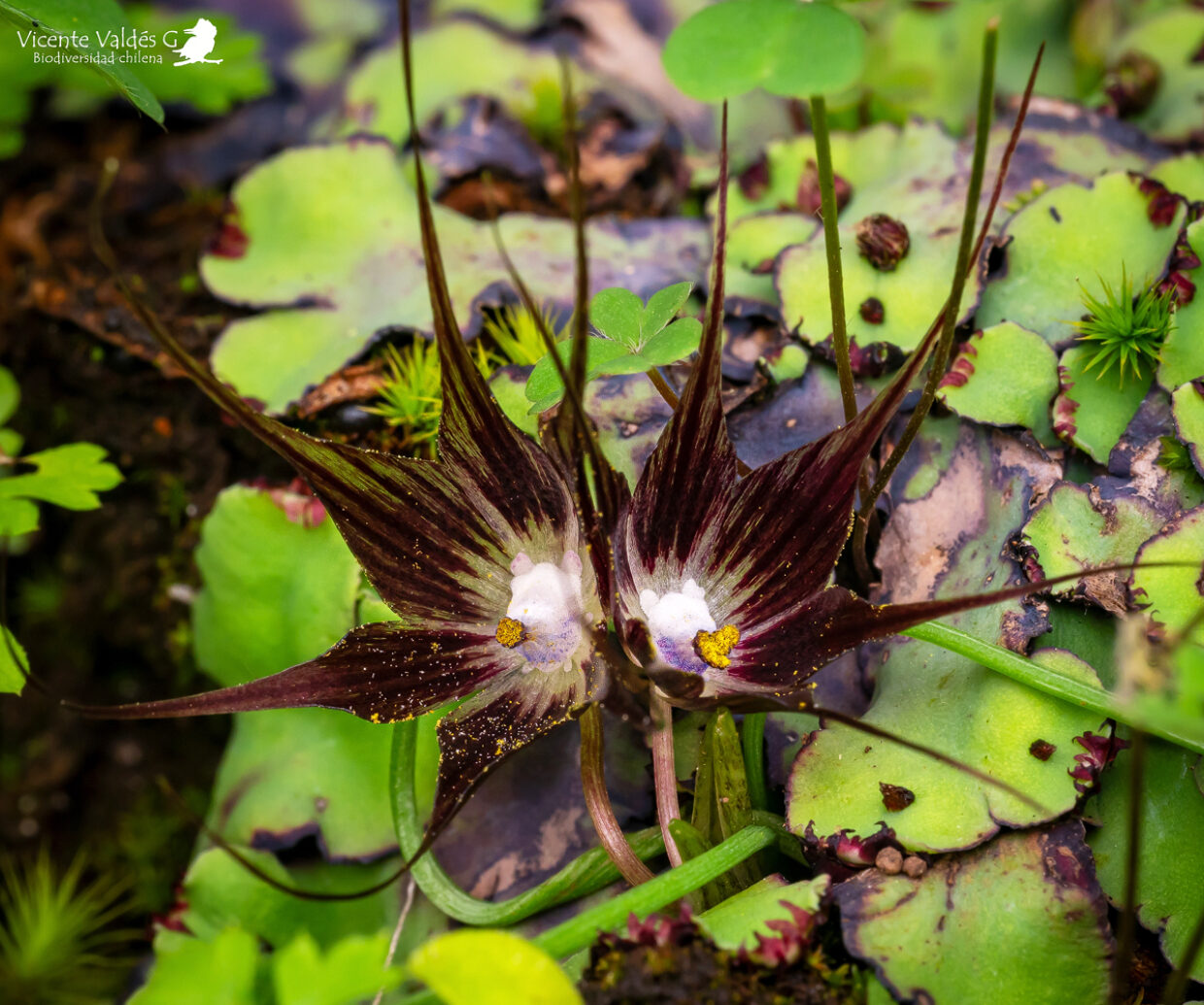
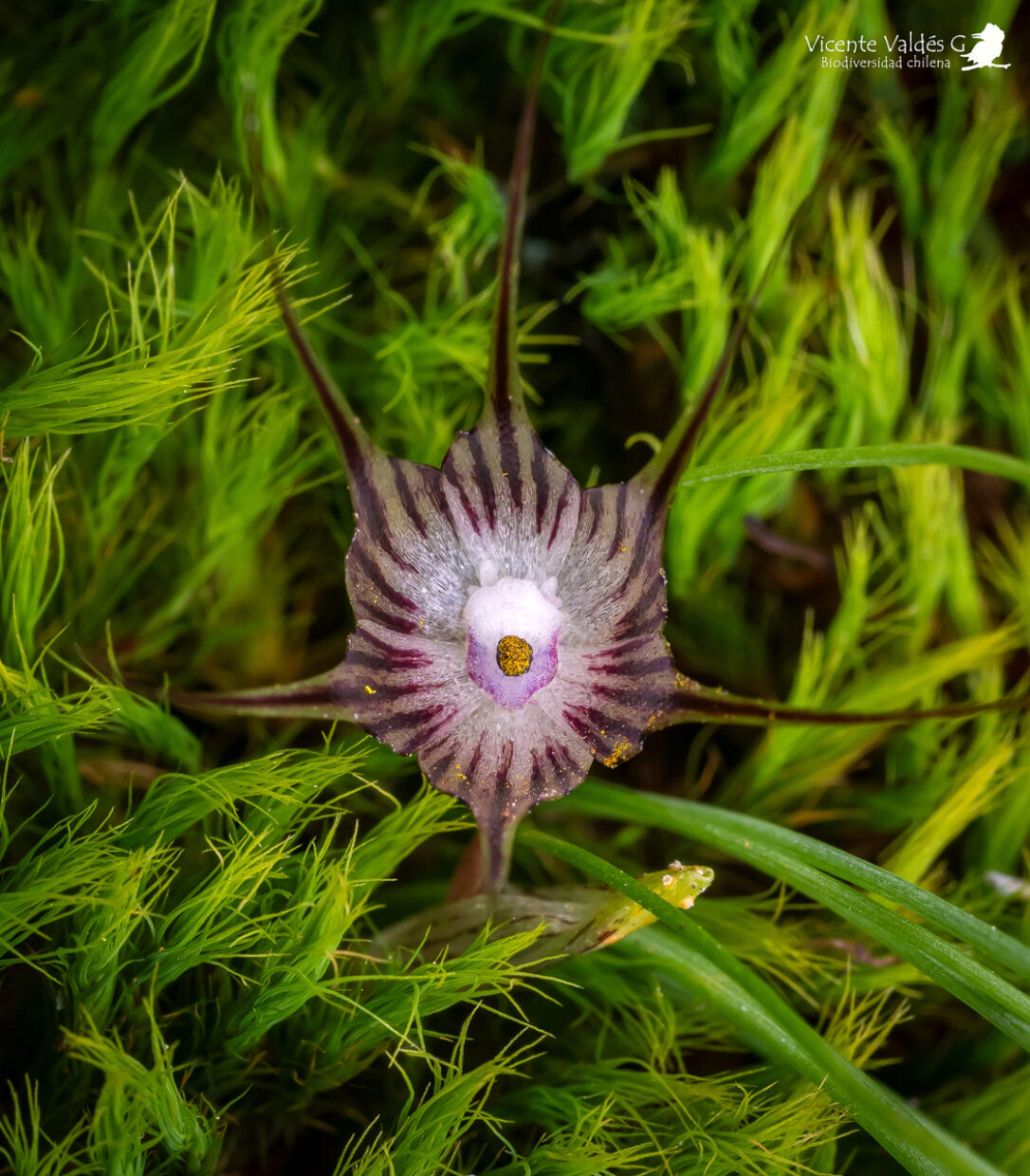
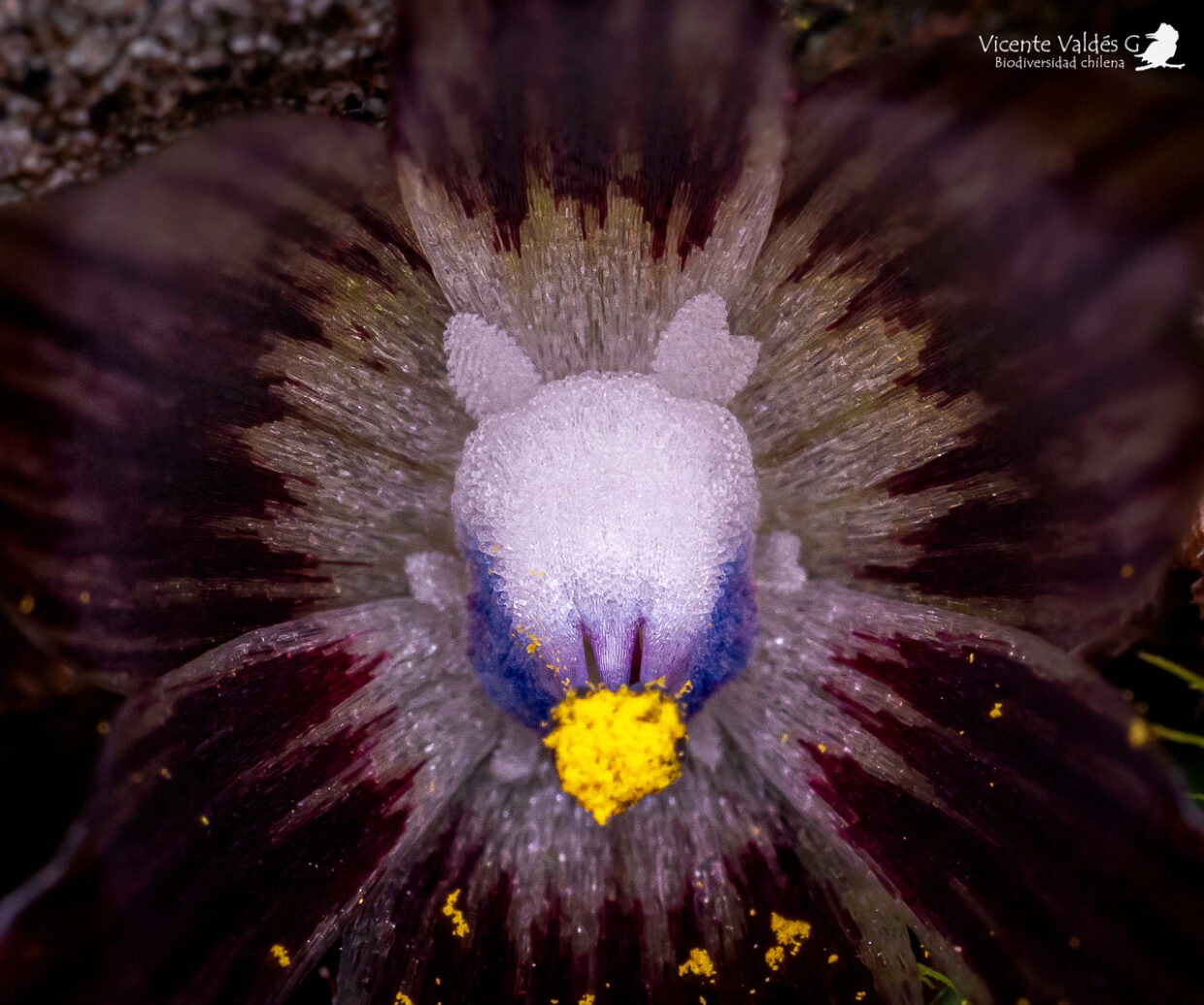
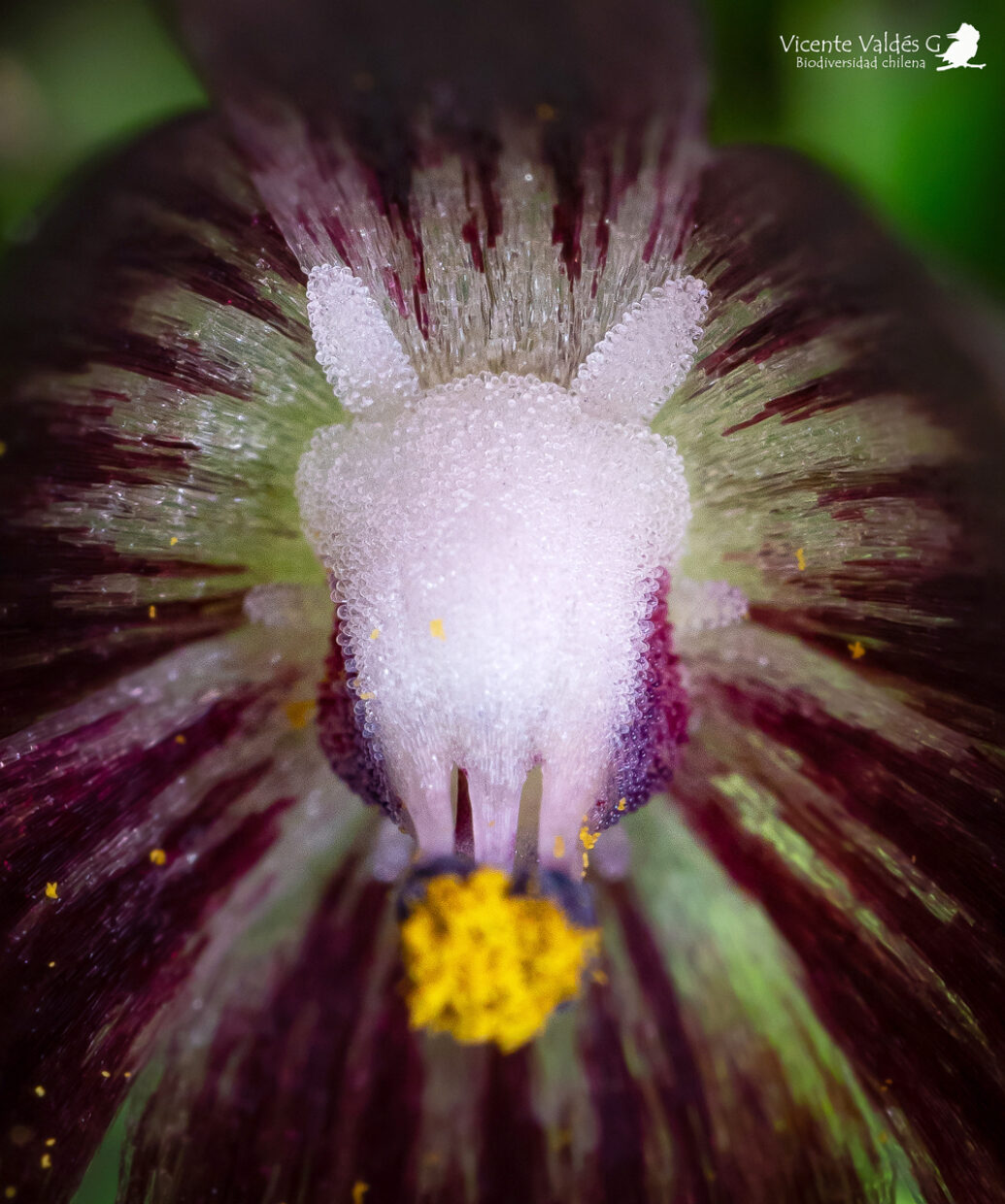
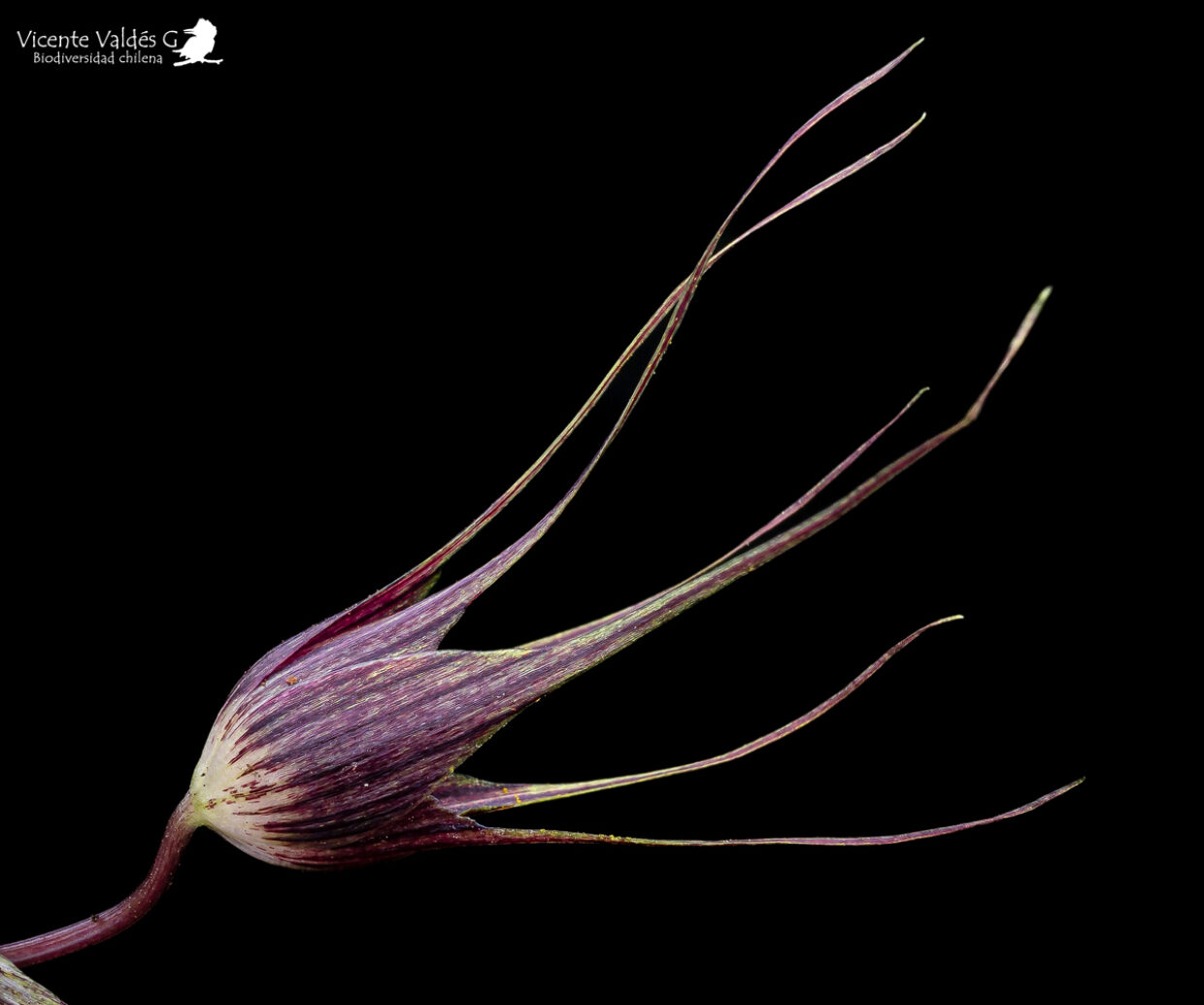
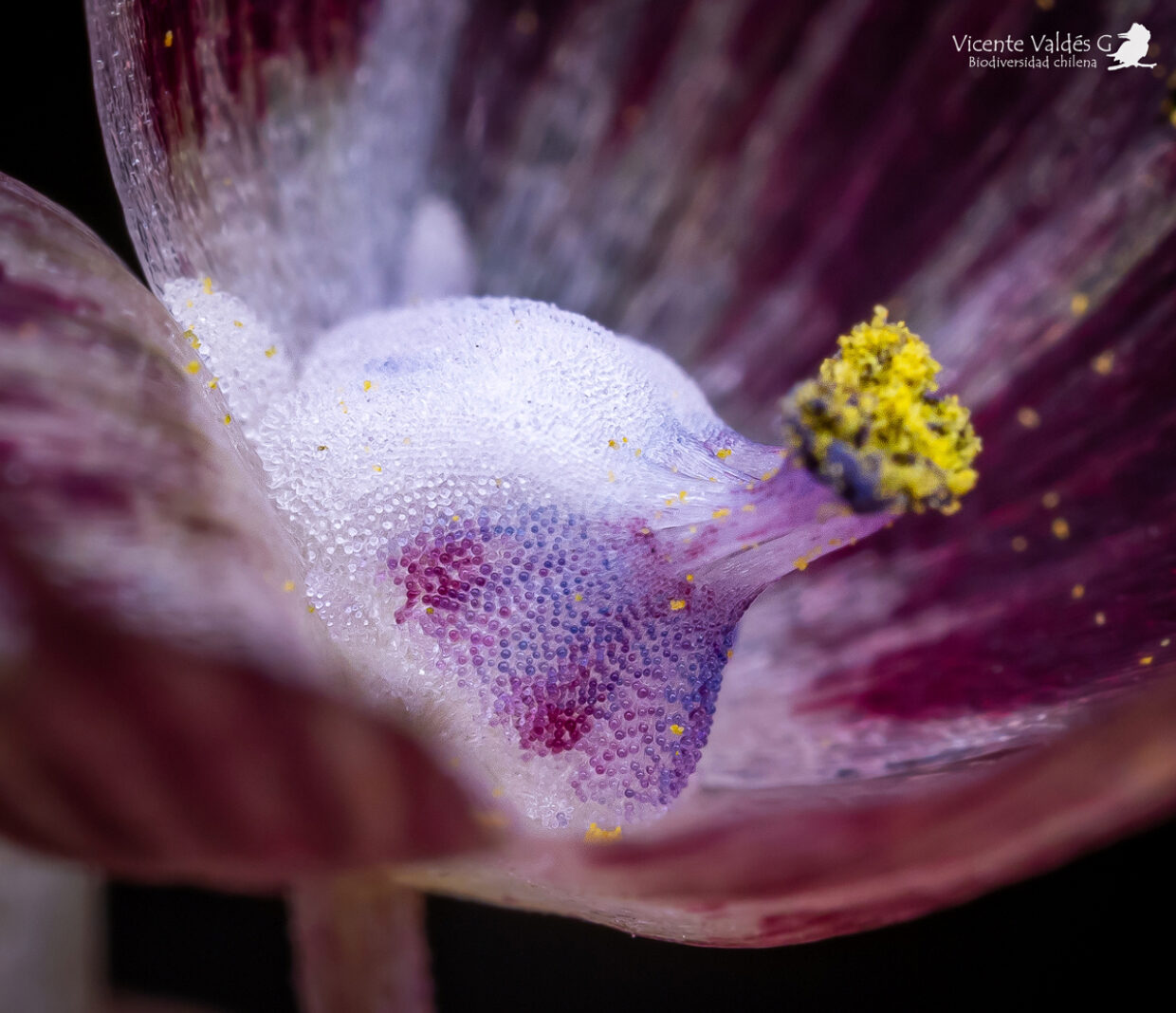
Miersia subandina differs from Miersia humilis (Phil.) M.F.Fay & Christenh. by a capitate stigma (vs. trilobed stigma), six awl-shaped, rarely flat and bifid, floral appendages (vs. floral appendages absent), and a conical staminal tube (vs. staminal filaments fused in their basal half and covering the ovary, but not forming a conical or urceolate tube) [García et al (2026)].