


Place of Publication
Phytokeys 270: 98 (2026)
Type citation
Chile, Región de La Araucanía: Provincia de Malleco, Comuna de Angol, camino a Vegas Blancas, 801 m a.s.l., 11 August 2023, N. García 6794 (holotype: EIF 18603; isotypes: CONC, SGO).
Common names
- hadita de Nahuelbuta (García et al (2026))
References
-
García et al (2026)
García, N. , Zúñiga-Acevedo, P. , González, M.A. , Espinoza, M.M. , Soto, C. and Cisternas-Gallardo, B.J. 2026. Taxonomic novelties and phylogenetic insights on Gilliesieae (Allioideae, Amaryllidaceae) from Chile. PhytoKeys 270: 93–117.
Regions
Habitat
Mediterranean and Mountain matorral & sclerophyllous forest
Distribution and habitat
Miersia nahuelbutensis has a restricted distribution in two locations in Malleco Province in the Biobío of Region Araucanía (along the eastern side of the Nahuelbuta coastal mountain range) and one in Province of Concepción in the Biobío Region. In the Nahuelbuta mountain range it grows in the understory of second-growth forests dominated by Nothofagus obliqua with Persea lingue, Peumus boldus, Cryptocarya alba, Gevuinia avellana and Lomatia hirsuta. Here it has an altidudinal range of between 100 to 800 metres above sea level.
Conservation status
- Endangerd B1ab(iii). (García et al (2026))
Habit
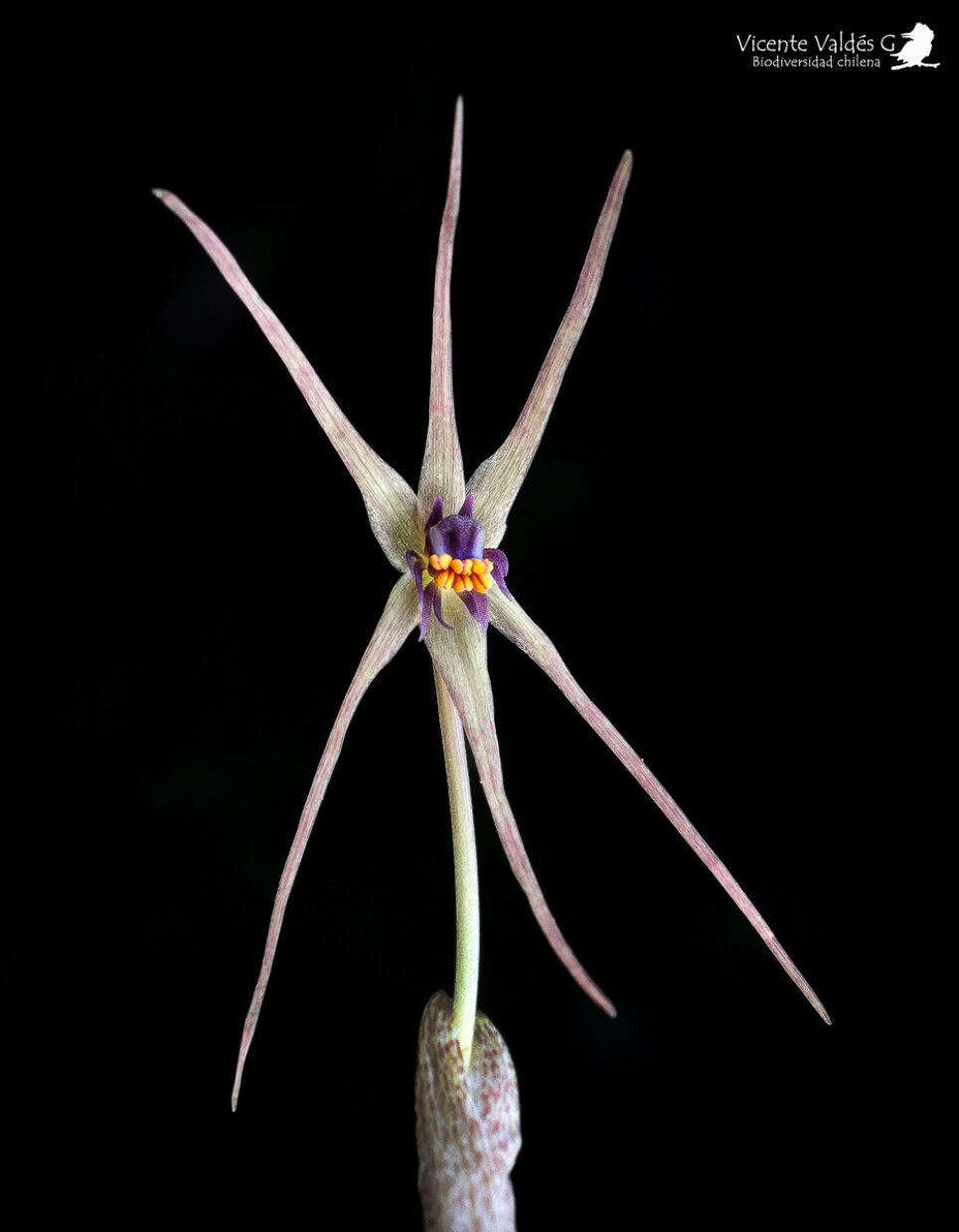
Perennial, 1.5 to 4 cm tall. Flowering between July and August; fruits have been recorded during October.
Key characteristics
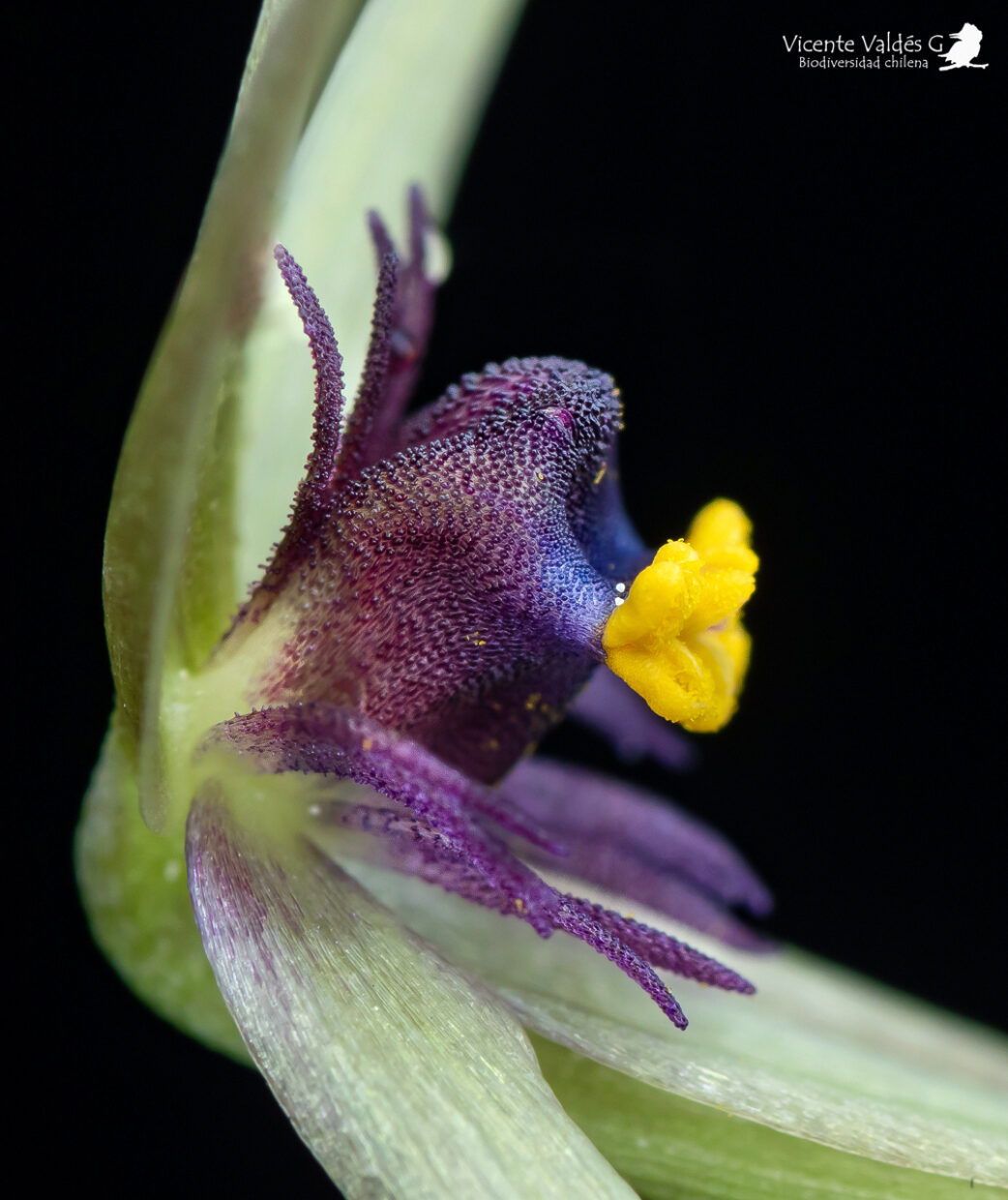
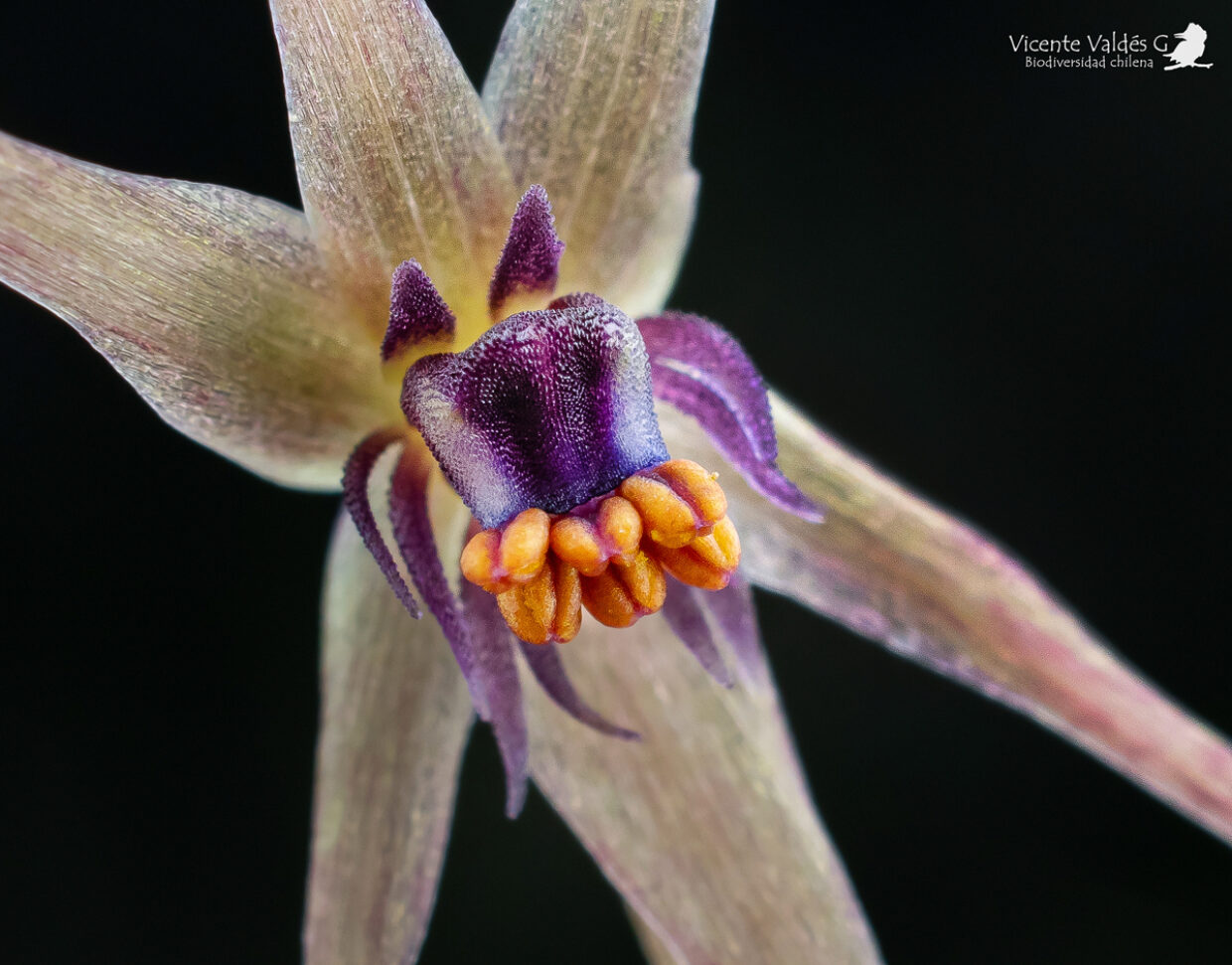
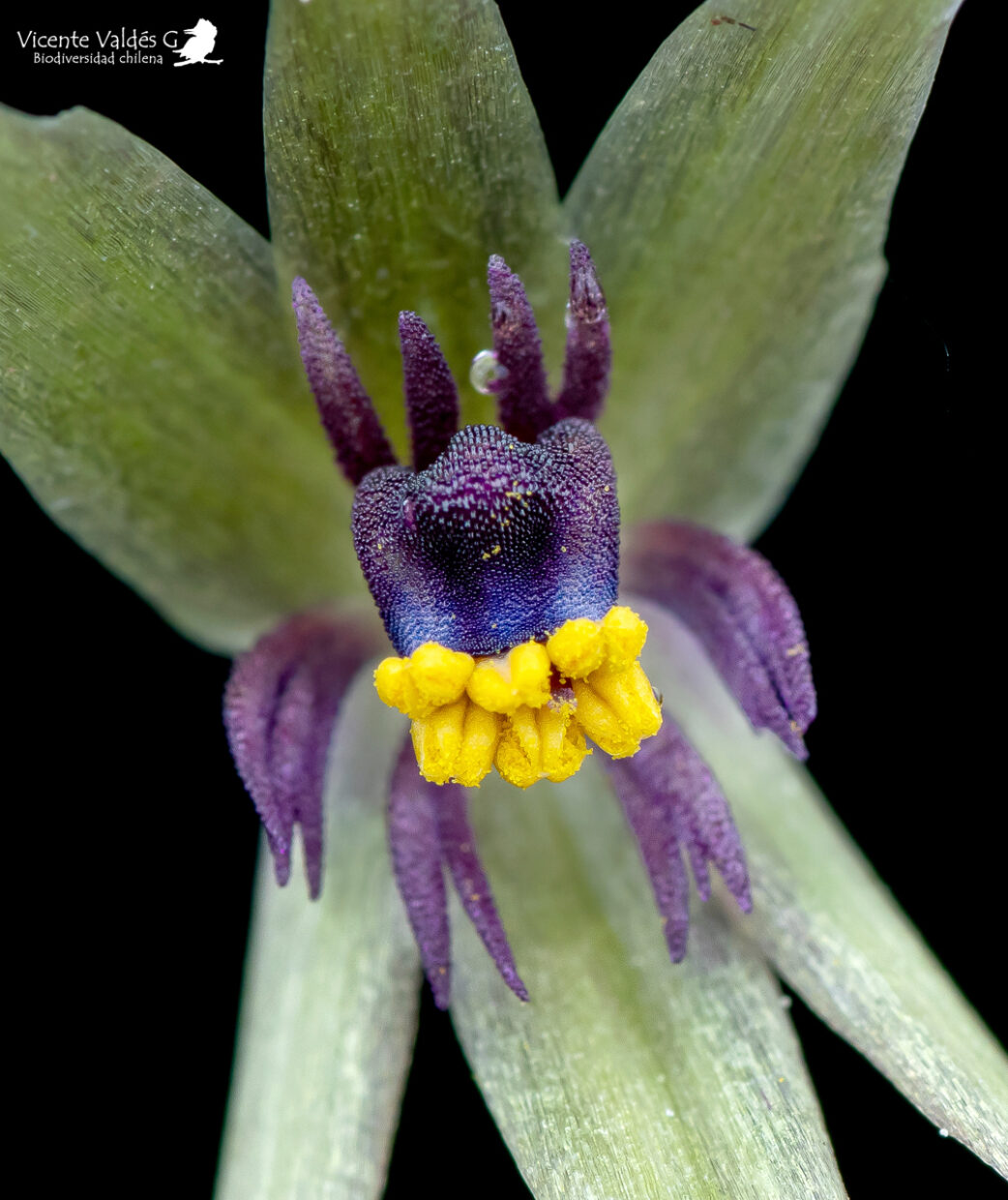
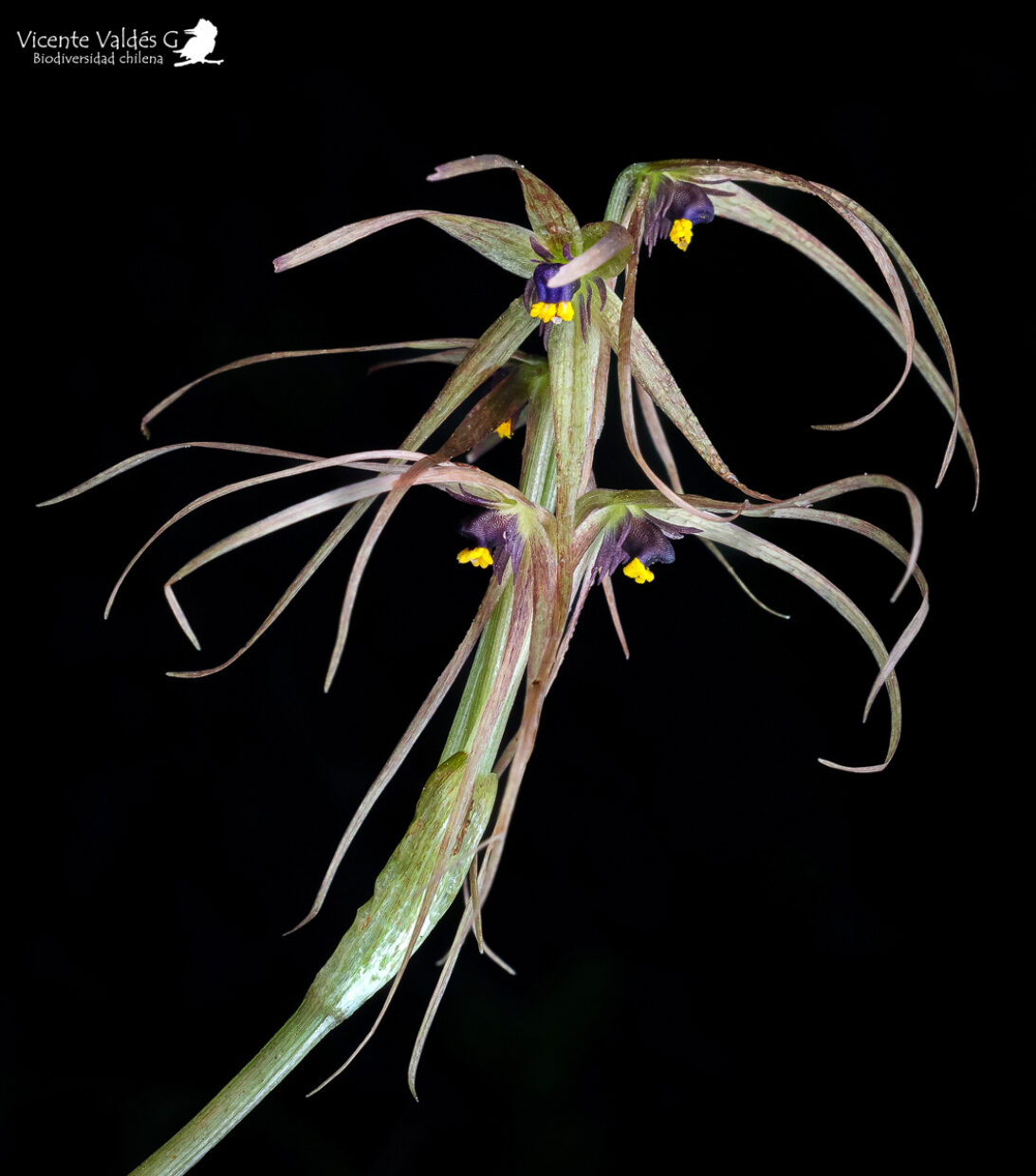
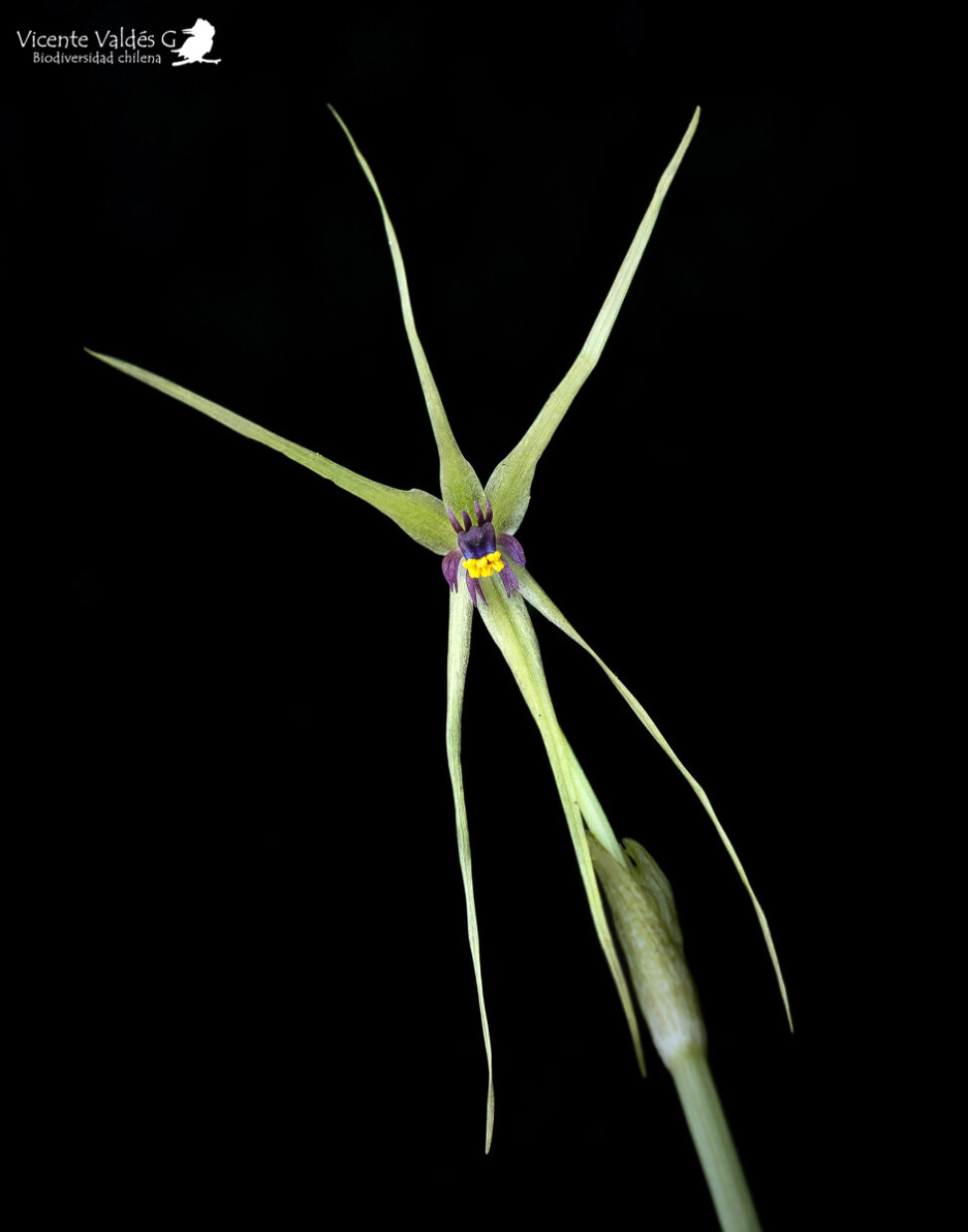
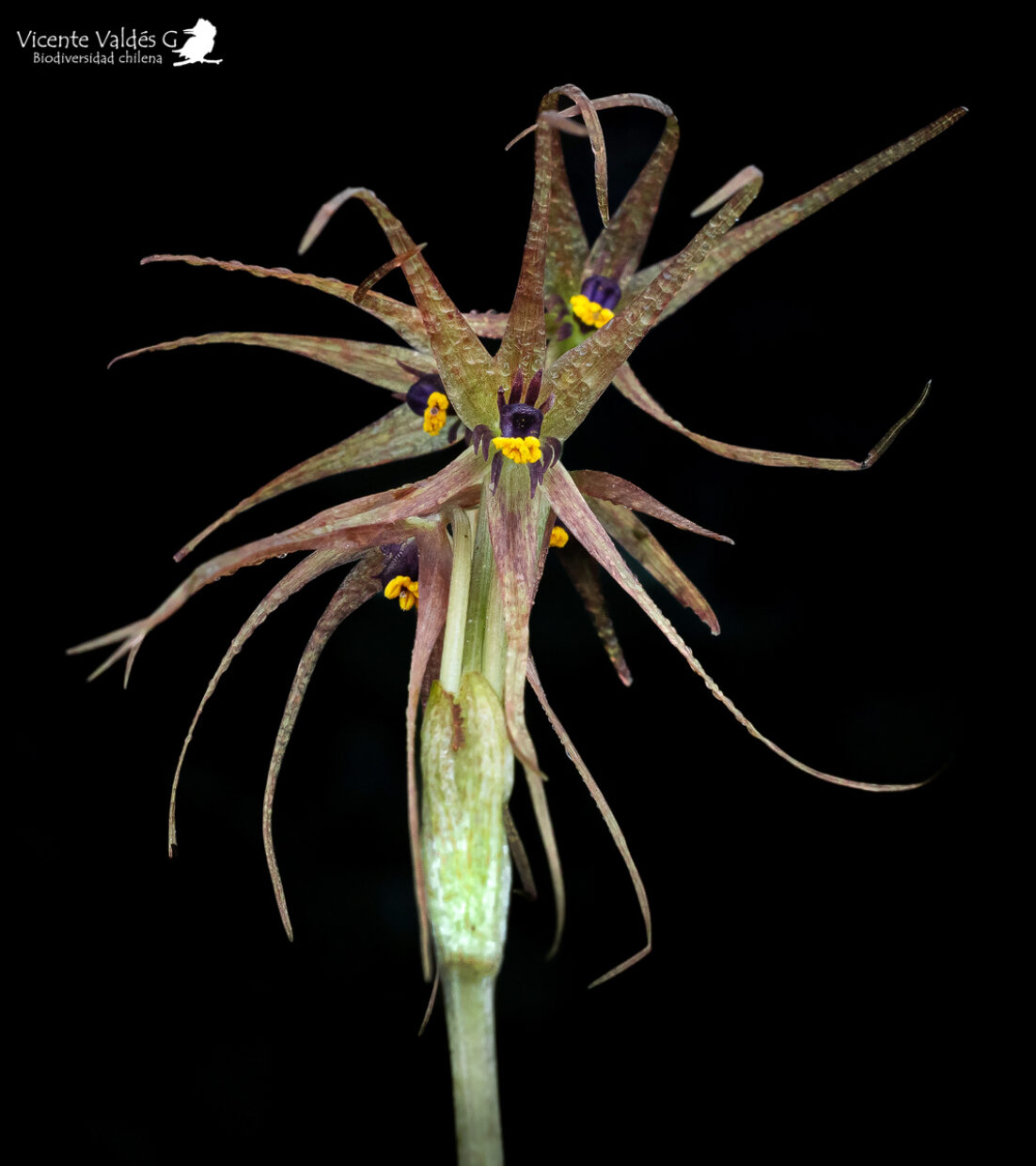
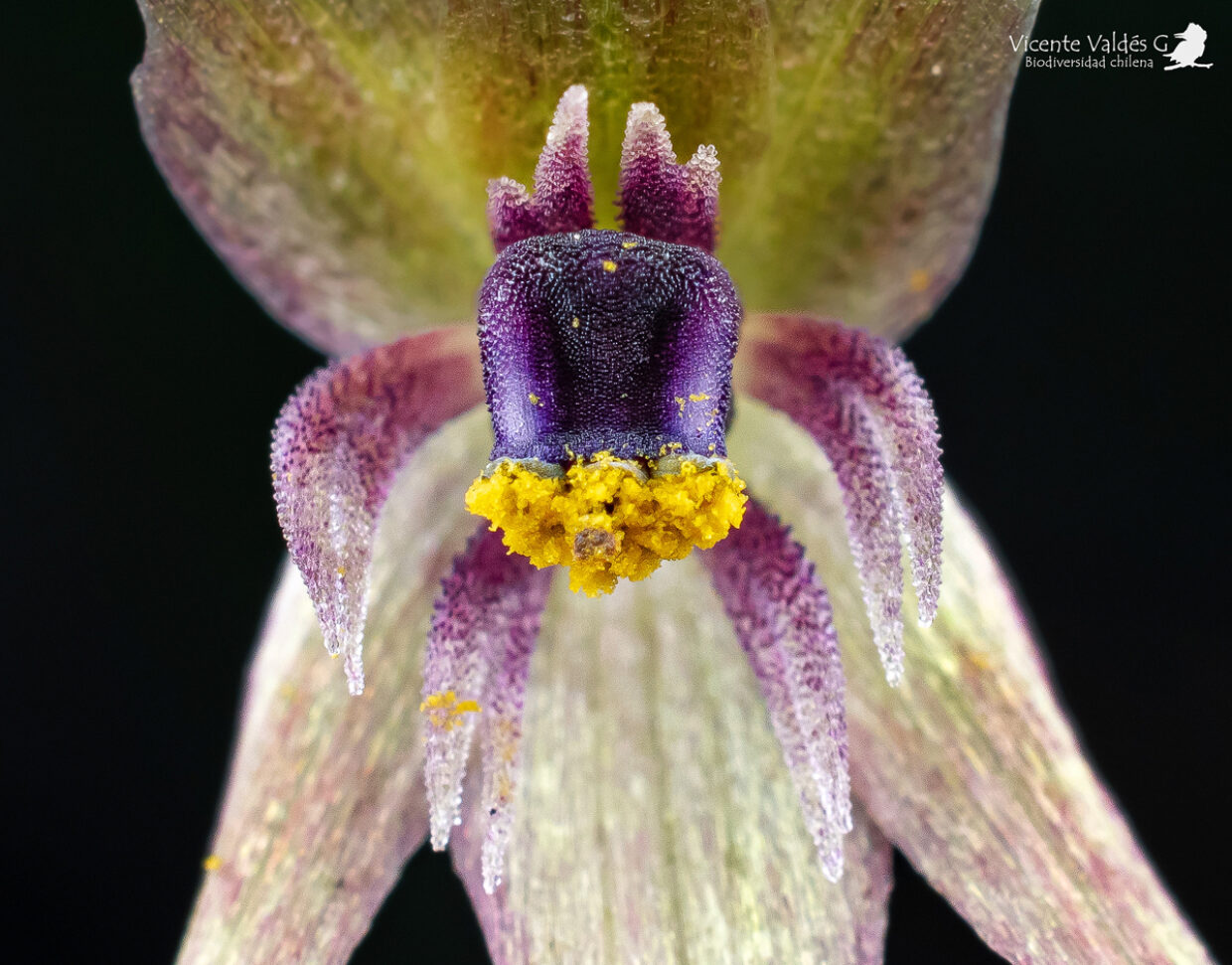
Miersia nahuelbutensis differs from Miersia chilensis by its nodding flowers, usually with upper tepals and stamens pointing downwards (vs. pointing to the front); upper and lower tepals closer, forming a right angle
(vs. tepals wide open); and its longer tepals, 19–20 mm long (vs. shorter tepals, 5–15 mm long). García et al (2026).