


Place of Publication
Cactaceae 3: 87, pl.10. (1922)
Synonyms
- Copiapoa alticostata F.Ritter
- Copiapoa coquimbana (Karw. ex Rümpler) Britton & Rose subsp. andina
- Copiapoa coquimbana (Karw. ex Rüpler) Britton & Rose var. alticostata
- Copiapoa coquimbana (Karw. ex Rümpler) Britton & Rose var. wagenknechtii
- Copiapoa neocoquimbana Y.Itô
- Copiapoa pendulina F.Ritter
- Copiapoa pepiniana (Lem. ex Salm-Dyck) Backeb.
- Copiapoa pseudocoquimbana F.Ritter
- Copiapoa pseudocoquimbana F.Ritter var. chaniarensis
- Copiapoa domeykoensis F.Ritter var. domeykoensis
- Copiapoa pseudocoquimbana F.Ritter var. vulgata
- Copiapoa sarcoana I.Schaub & Keim
- Copiapoa schulziana I.Schaub & Keim
- Copiapoa serenana Voldan
- Copiapoa vallenarensis F.Ritter
- Copiapoa wagenknechtii F.Ritter ex Backeb.
- Echinocactus coquimbanus Karw. ex Rümpler
References
-
Britton & Rose (1922)
Britton, N.L. and Rose, J.N 1922. The Cactaceae; descriptions and illustrations of plants of the cactus family 3:1-255
-
Guerrero et al. (2024)
Guerrero, P.C. , Peña, C. , Villalobo López, A. , Faundez, L. , Saldivia, P. and Walter, H.E. 2024. Copiapoa coquimbana. The IUCN Red List of Threatened Species 2024: e.T212482333A212482532.
-
Hoffmann & Walter (2004)
Hoffmann J., A.E. and Walter M., H.E. 2004. Cactaceas en la Flora Silvestre de Chile, 2nd edition. Fundación Claudio Gay
-
Hunt (2013)
Hunt, D. 2013. The New Cactus Lexicon (illustrations). dh books. Milborne Port, UK 527 pp.
-
Hunt (2016b)
Hunt, D. 2016. CITES Cactaceae Checklist. Third Edition. Royal Botanic Gardens Kew
-
Larridon et al. (2015)
Larridon, I , Walter, H , Guerrero, P , Duarte, M , Cisternas, M , Peña, C , Bauters, K , Asselman, P , Goetghebeur, P and Samain, M.-S 2015. An integrative approach to understanding the evolution and diversity of Copiapoa (Cactaceae), a threatened endemic Chilean genus from the Atacama Desert. American Journal of Botany. 102. 1506-1520.
-
Señoret Espinosa & Acosta Ramos (2013)
Señoret Espinosa, E. and Acosta Ramos, J.P. 2013. Guía de Campo. Cactáceas Nativas de Chile. CORMA 247 pp.
Iconography
- Hoffmann & Walter (2004): Lam. 37
- Hunt (2013): 330.2
Regions
Habitat
Desert and Coastal desert and semidesert
Distribution and habitat
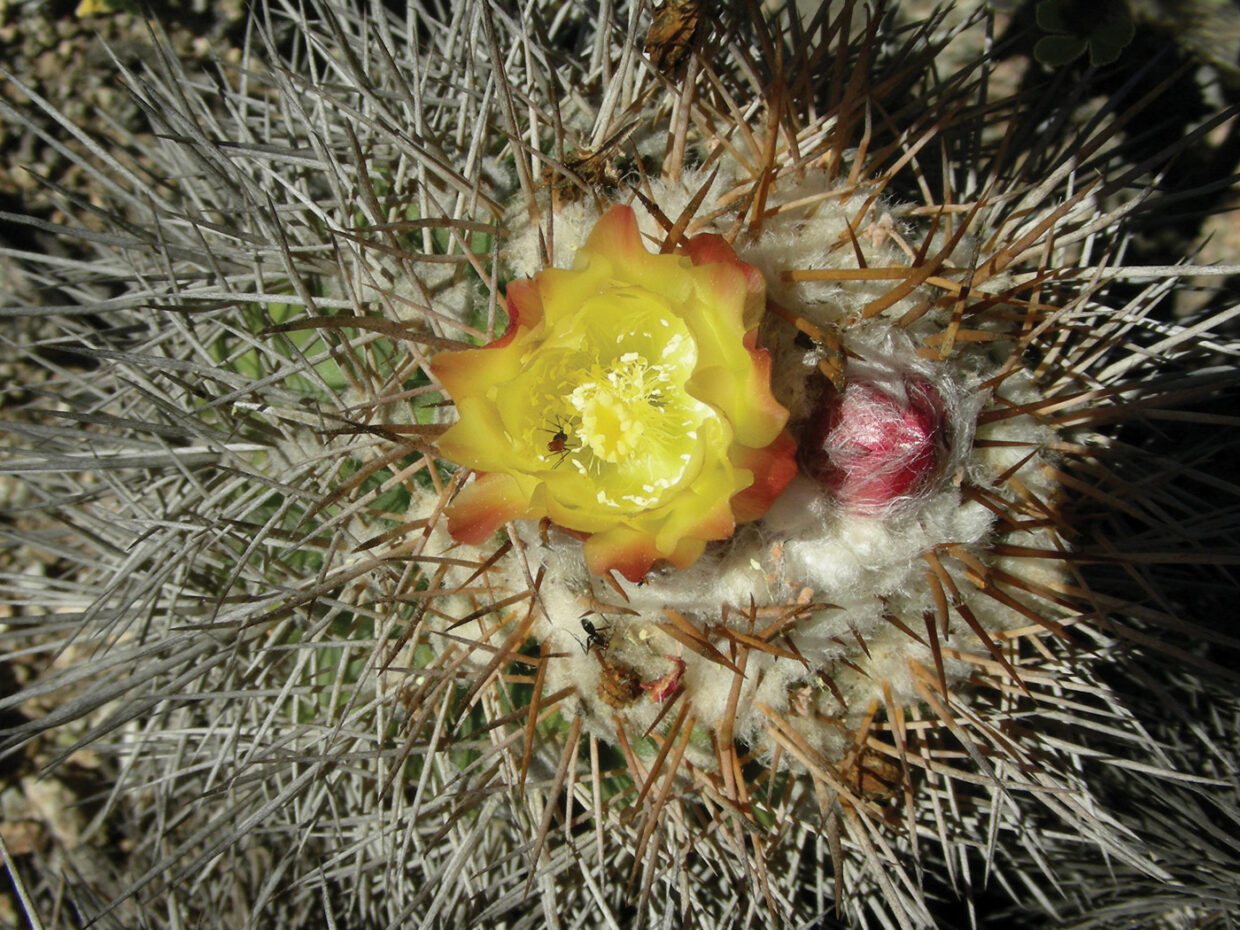
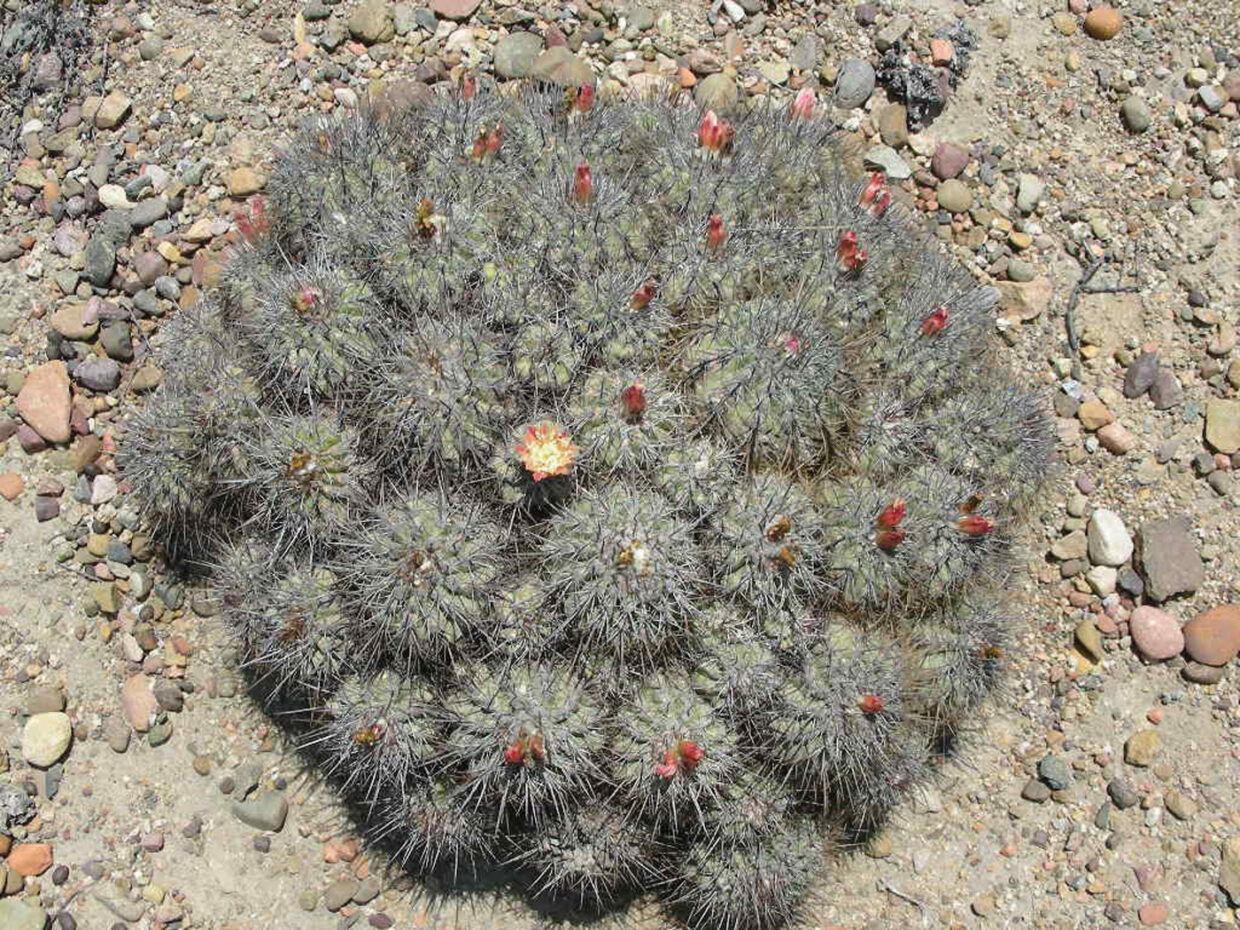
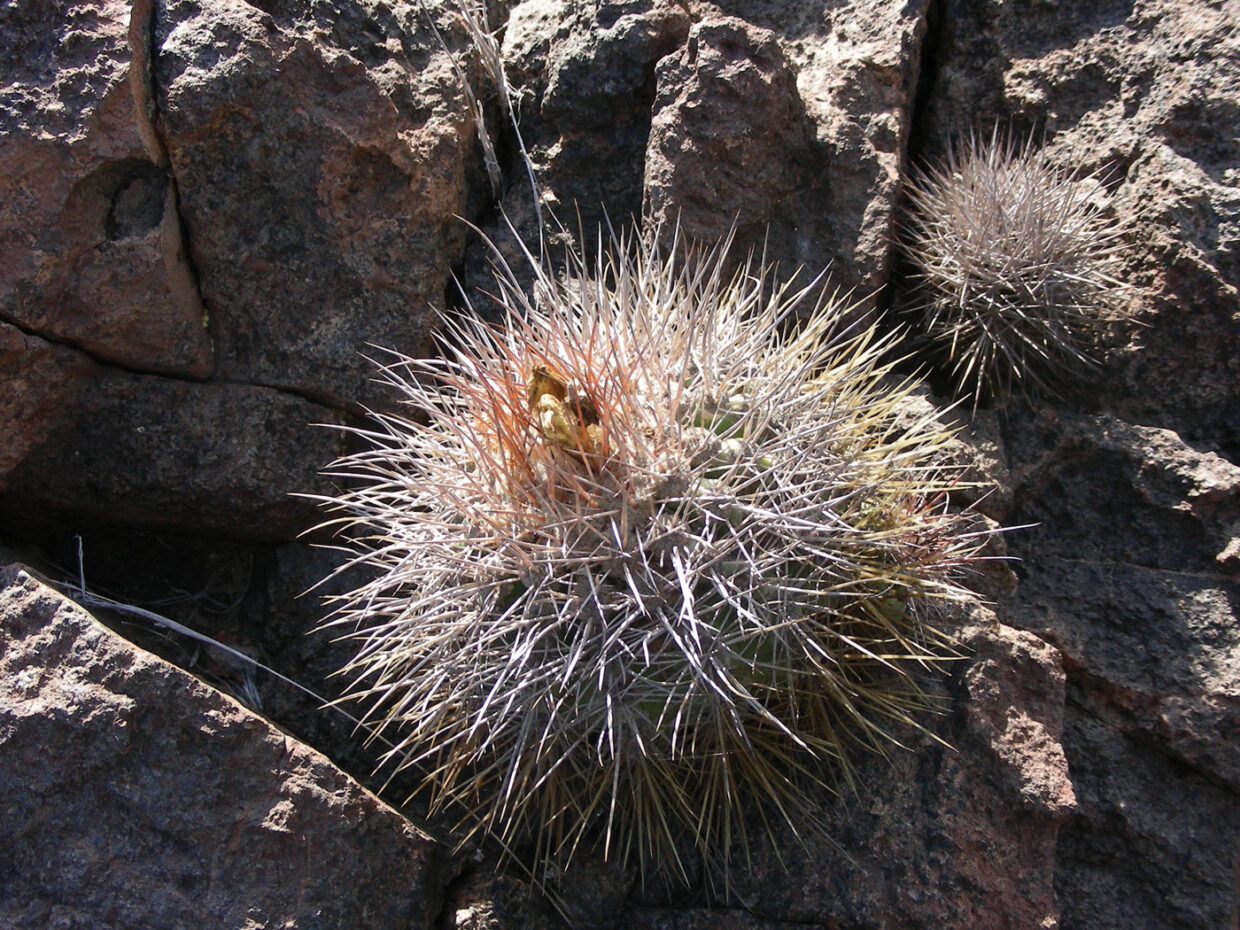
Restricted to the Regions of Atacama and Coquimbo especially around the coastal towns of Coquimbo and La Serena in the province of Coquimbo. It has an altitudinal range of sea level to 1300 m in coastal lomas (lomas costeras) vegetation growing with Bulnesia chilensis, Colliguaja odorifera, Eulychnia breviflora ,Oxalis gigantea and Puya chilensis.
Conservation status
- Least Concern (Guerrero et al. (2024))
Notes
Seed of this species is banked by the national seed bank of Chile, INIA.